Start with substrate, deposit, and finish expectation
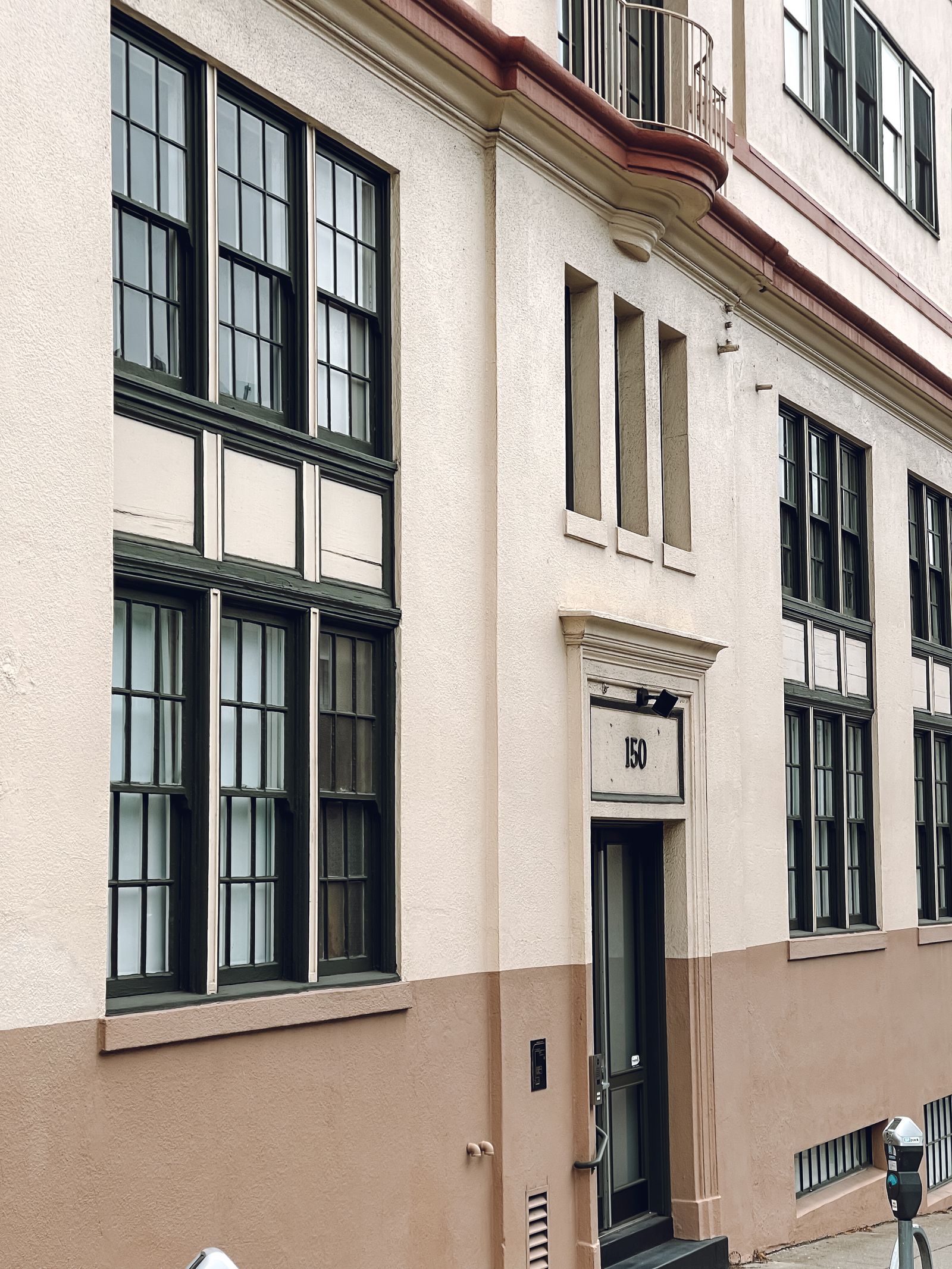
Brick, mortar, concrete, precast, stucco, EIFS, painted metal, storefront glass, stone, coatings, sealants, and architectural details have different tolerances. Soft washing may fit compatible organic growth, pollen film, bird residue, and some atmospheric soil with an appropriate product, dwell, rinse, and protection plan. Pressure may fit selected durable concrete or hardscape when surface condition, nozzle, distance, flow, and surrounding property support it. Neither label automatically fits every facade.
A dark mark may be algae-like growth, pollen, dust, traffic film, mineral scale, oxidation, rust, soot, irrigation residue, efflorescence, construction residue, coating failure, or a repeat water path. Pressure can move loose soil while leaving minerals or oxidation. Soft washing can improve organic film while leaving bonded deposits or damaged coating visible. A test area and dry-down review help identify the likely condition and establish a reasonable improvement target before the full scope is priced.
- Match method, chemistry, force, dwell, and rinse to the substrate and coating history.
- Treat organic film, minerals, oxidation, exhaust, dust, and water stains as different problems.
- Use a test area where finish history, repairs, or stain cause is uncertain.
- Separate cleaning from leak repair, joint replacement, restoration, glass polishing, and coating work.
Where soft washing may fit in Jackson
Soft washing can be considered for compatible masonry, painted concrete, stucco, EIFS, precast, and selected metal or coated zones affected by organic film, pollen, bird residue, or atmospheric soil. Lower pressure can reduce mechanical stress in some situations, but the process still requires chemistry control, dwell management, temperature awareness, overspray protection, plant protection, and a measured rinse. A lower gauge reading is not a guarantee of safe work or a complete result.
Downtown Jackson facades may need careful treatment around older mortar, storefront glass, awnings, signs, narrow sidewalks, and neighboring entries. Old Hickory Mall-area retail work may need soft-wash planning around tenants, shared parking, canopies, customer routes, and food-service areas. Medical corridors may require controlled timing near patient drop-offs, accessible paths, doors, and air intakes. These local settings explain why the method must be evaluated at the address; they do not establish a contract or affiliation.
Soft washing is not a universal answer for industrial buildings either. A US 45 Bypass warehouse may have broad compatible wall areas, but loading docks, truck film, painted panels, roof edges, drains, and employee movement can require separate zones. The goal may be a maintenance reset rather than removal of every embedded mark. A written scope should state the likely result after drying and identify what remains outside the method.
Where controlled pressure may fit
Pressure washing can be useful on selected durable concrete approaches, sidewalks, loading areas, service yards, garage surfaces, and hardscape when force, distance, flow, surface condition, and drainage have been evaluated. It is not a universal facade method. Excessive force can strip paint, etch softer stone, disturb mortar, damage stucco or EIFS, open sealant joints, break fragile trim, or drive water behind a coating. A larger machine does not automatically create a cleaner wall or a better dry finish.
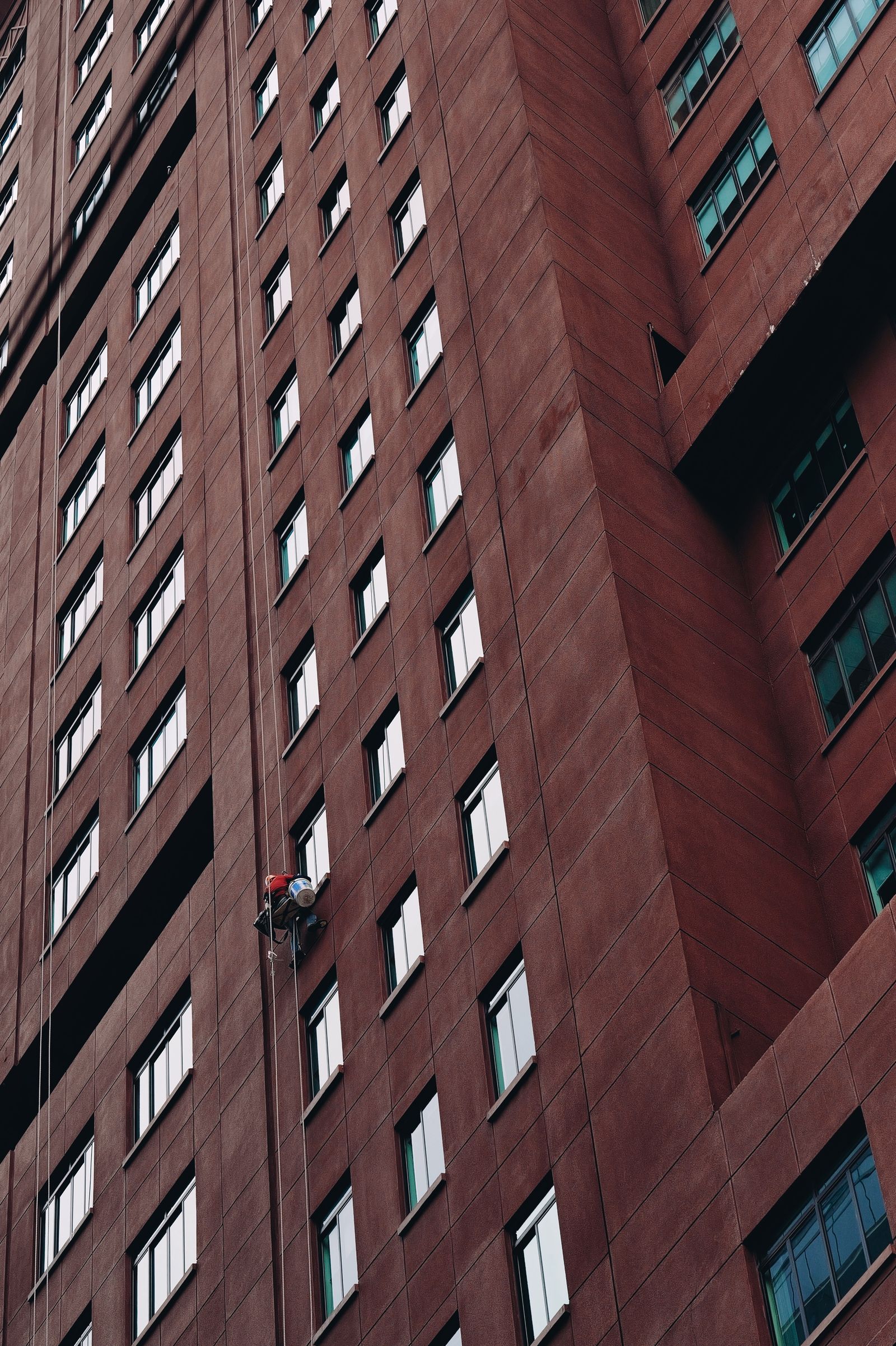
Jackson lower elevations may carry road film, delivery dust, pollen, irrigation marks, and foot traffic, while upper elevations show rain streaks or organic discoloration. A retail approach, downtown sidewalk, medical drop-off, or warehouse apron may each call for a different pressure plan. Ask where pressure is proposed, why the surface can tolerate it, how nearby materials will be protected, and what will be checked after drying. A mixed-method scope is often more accurate than one pressure setting for the entire property.
Compare access, occupied operations, and runoff
Method selection is incomplete until the work sequence is clear. Downtown sidewalks, retail traffic, medical drop-offs, parking turnover, employee shifts, loading lanes, and deliveries can make a technically suitable wash a poor operating plan if it crosses an entrance at the wrong time. Compare barriers, spotters, hose routes, noise, customer and vehicle separation, handback, and the pause process before comparing equipment names. Phasing a less-visible elevation first may keep the primary route open.
Both methods move water and removed soil. Review water source, expected volume, chemistry, slope, drains, low points, landscaping, doors, air intakes, vehicles, loading areas, and public routes for each proposal. Jackson sites may drain toward curb inlets, planted beds, swales, detention features, parking-deck ramps, or low points beside industrial yards. A storm inlet is not automatic authorization for discharge. Depending on the scope, controls may include diversion, collection, recovery, reduced rinse volume, filtration, plant protection, disposal, or coordination with the responsible authority.
Ask every bidder for a written water-management assumption and a stop condition if observed flow differs from the plan. For aerial assistance, ask which ground zones need a spotter and what happens if wind changes. A low number that treats a property as an empty wall may omit the work that protects customers, tenants, patients, employees, vehicles, plants, doors, and drains. Closeout photos should show completed zones and conditions left outside the approved scope.
- Map entrances, accessible routes, parking, loading, air intakes, landscaping, vehicles, and drains.
- Confirm water access, hose routing, barriers, spotters, emergency access, and site authority.
- Write weather, runoff, pedestrian, vehicle, and lightning stop conditions into the plan.
- Document remaining deposits, damaged materials, and repeat wetting that needs another trade.
Humidity, pollen, and storms change the comparison
Jackson humidity, spring pollen, summer heat, shade, and thunderstorms can produce different resoiling patterns across one building. Exposed glass and metal heat quickly in direct sun, changing soft-wash dwell and drying. Shaded walls, covered entrances, tree-lined edges, and roof details may remain damp. Pollen can collect on ledges and canopies before rain binds it to the surface. These conditions make a schedule tied to actual exposure and the property's calendar more useful than a fixed promise based only on equipment.
Review forecast rain, lightning, wind, humidity, surface temperature, visibility, and drying time before each phase. A storm can dilute chemistry, move loosened soil toward a drain, or create a slick public path. Heat can shorten dwell or dry a section unevenly. Pressure noise and water volume may also matter near occupied medical, retail, downtown, and industrial sites. Pause when the weather or public conditions no longer match the plan, then inspect after dry-down before declaring the result complete.
If staining returns below a gutter, planter, parapet, irrigation head, or sloped sill, investigate the wetting pattern. A wash may remove the visible symptom temporarily while the source continues. The quote should make that distinction clear so the owner can decide whether to involve roofing, plumbing, irrigation, masonry, or building-envelope professionals.
Request a method recommendation for the actual address
Provide the address, building use, wide and close photos, approximate height, facade materials, priority elevations, desired finish, preferred work window, water access, nearby drains, and restrictions involving customers, tenants, patients, employees, vehicles, deliveries, events, or controlled access. Note coatings, sealants, leaks, loose materials, prior cleaning damage, mineral deposits, and areas that repeatedly get wet. These details help separate soft washing, controlled pressure, pole work, aerial assistance, lift access, hand detail, or a phased combination.
Call +1 239-351-2897, email contact@dronebuildingcleaners.com, or use the contact form to request a Jackson quote. Drone Building Cleaners can describe the recommended method by elevation and material, including access, protection, runoff assumptions, expected improvement, exclusions, and handback. For a deeper service overview, see [commercial building soft washing](/locations/jackson-tn/services/commercial-building-soft-washing). This guide is also intended to make the quote conversation more useful before anyone schedules work.